the image of the child
‘It's necessary that we believe that the child is very intelligent, that the child is strong and beautiful and has very ambitious desires and requests. This is the image of the child that we need to hold.’
Loris Malaguzzi (1993)‘A new picture of childhood and human nature emerges from the research of the past decade. Far from being mere unfinished adults, babies and young children are exquisitely designed by evolution to change and create, to learn and explore. Those capacities, so intrinsic to what it means to be human, appear in their purest forms in the earliest years of our lives.’
Alison Gopnik (2010): How babies think (Scientific American)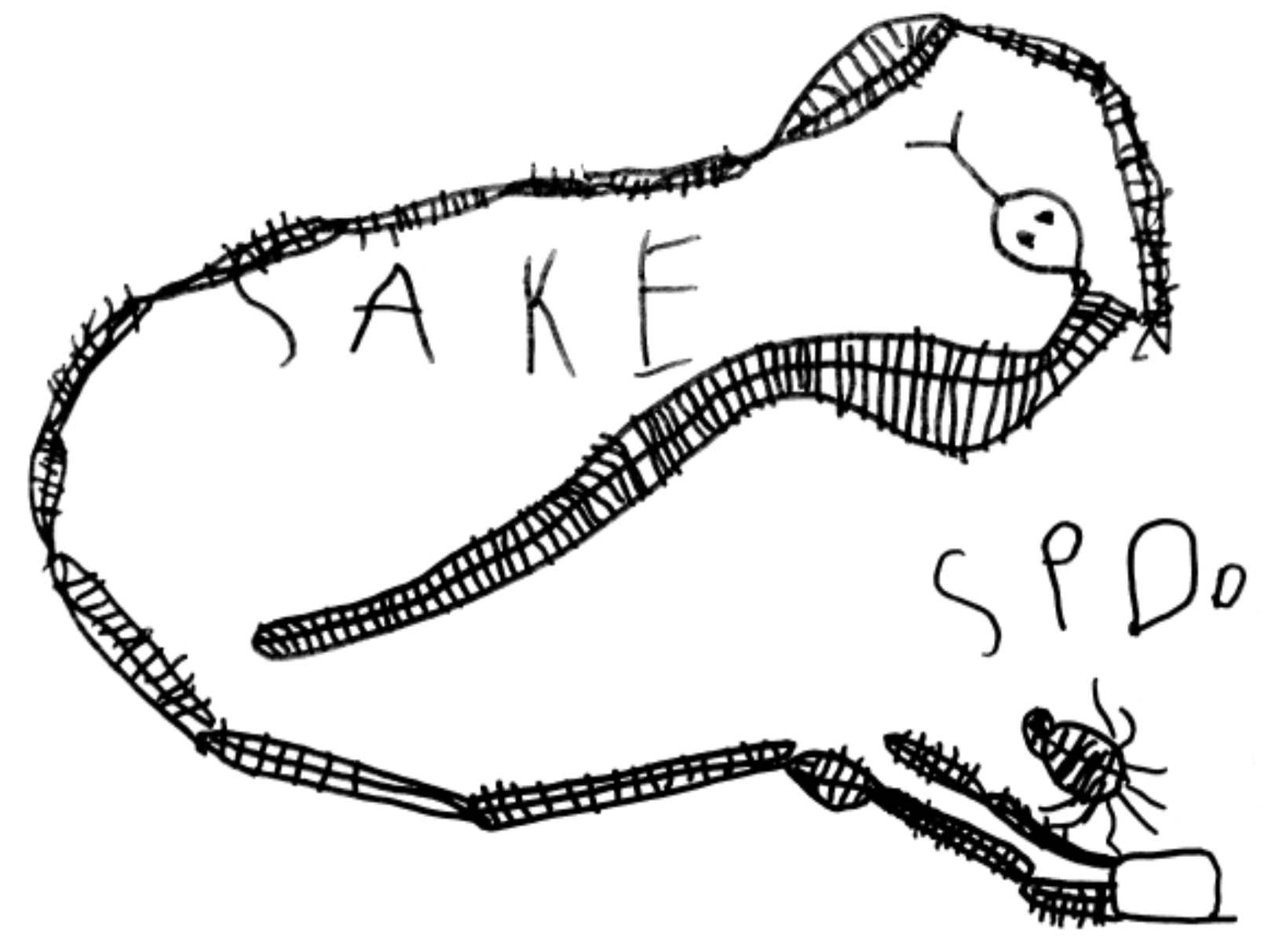
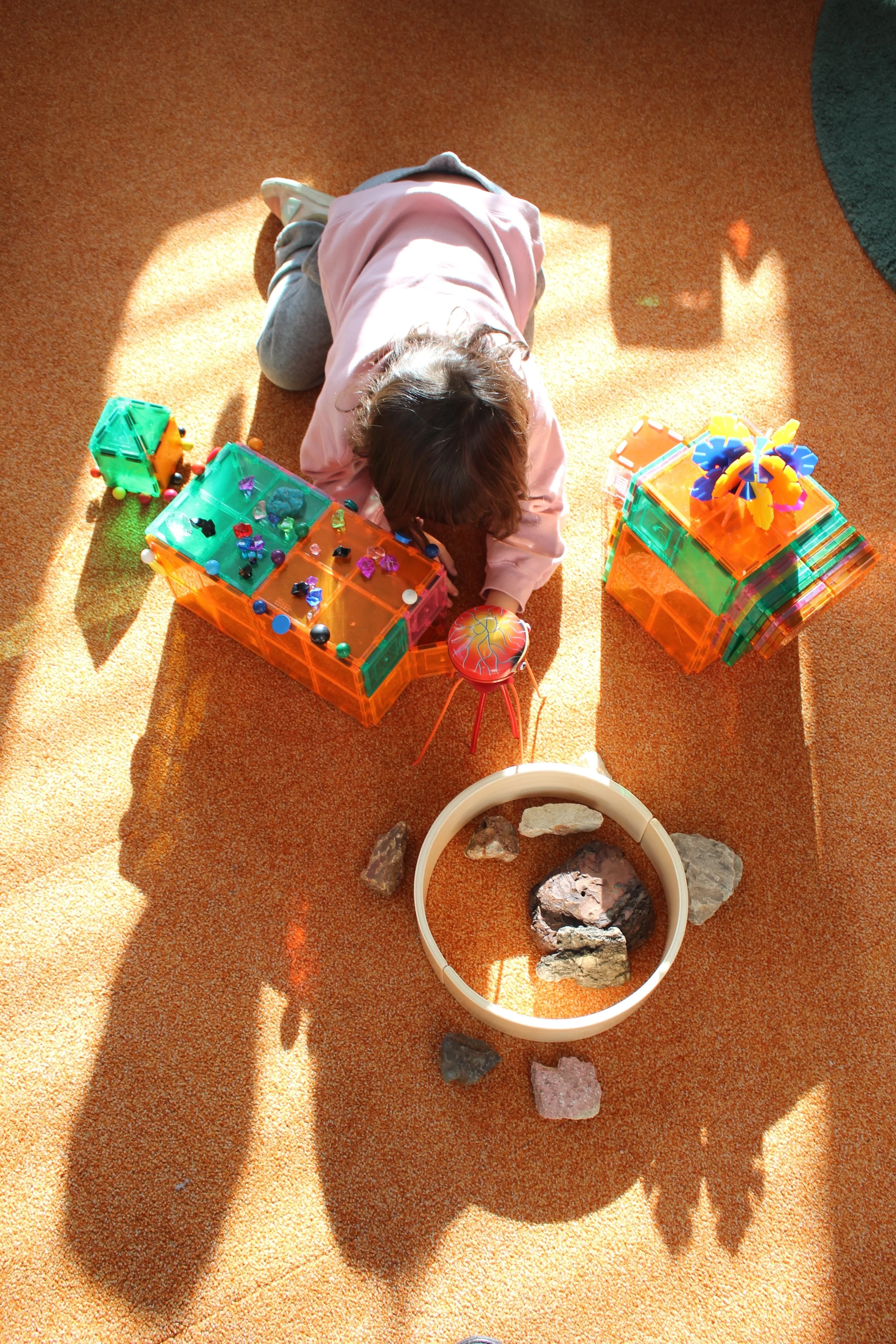
the image of the child / children as researchers
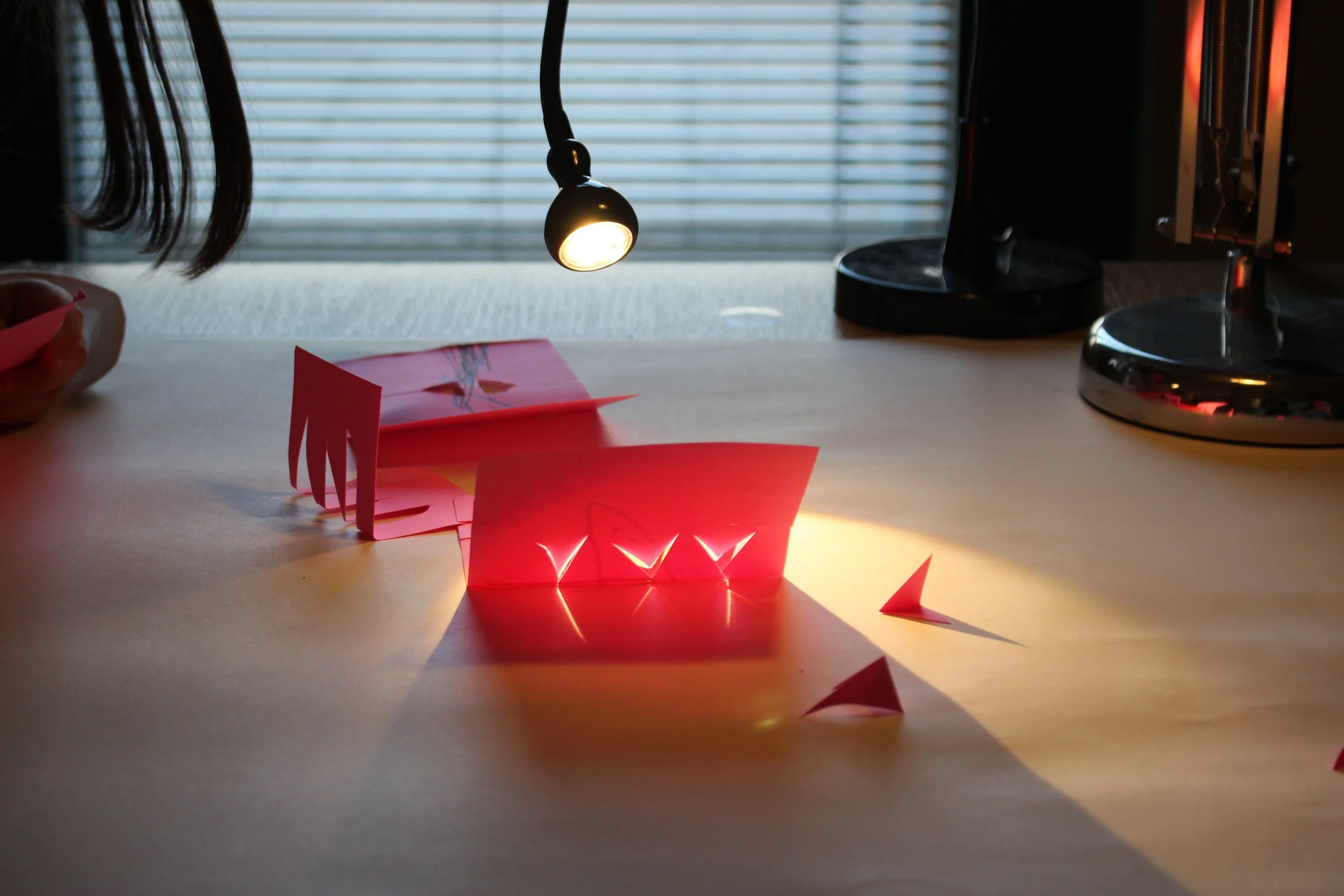
the image of the child / body and mind
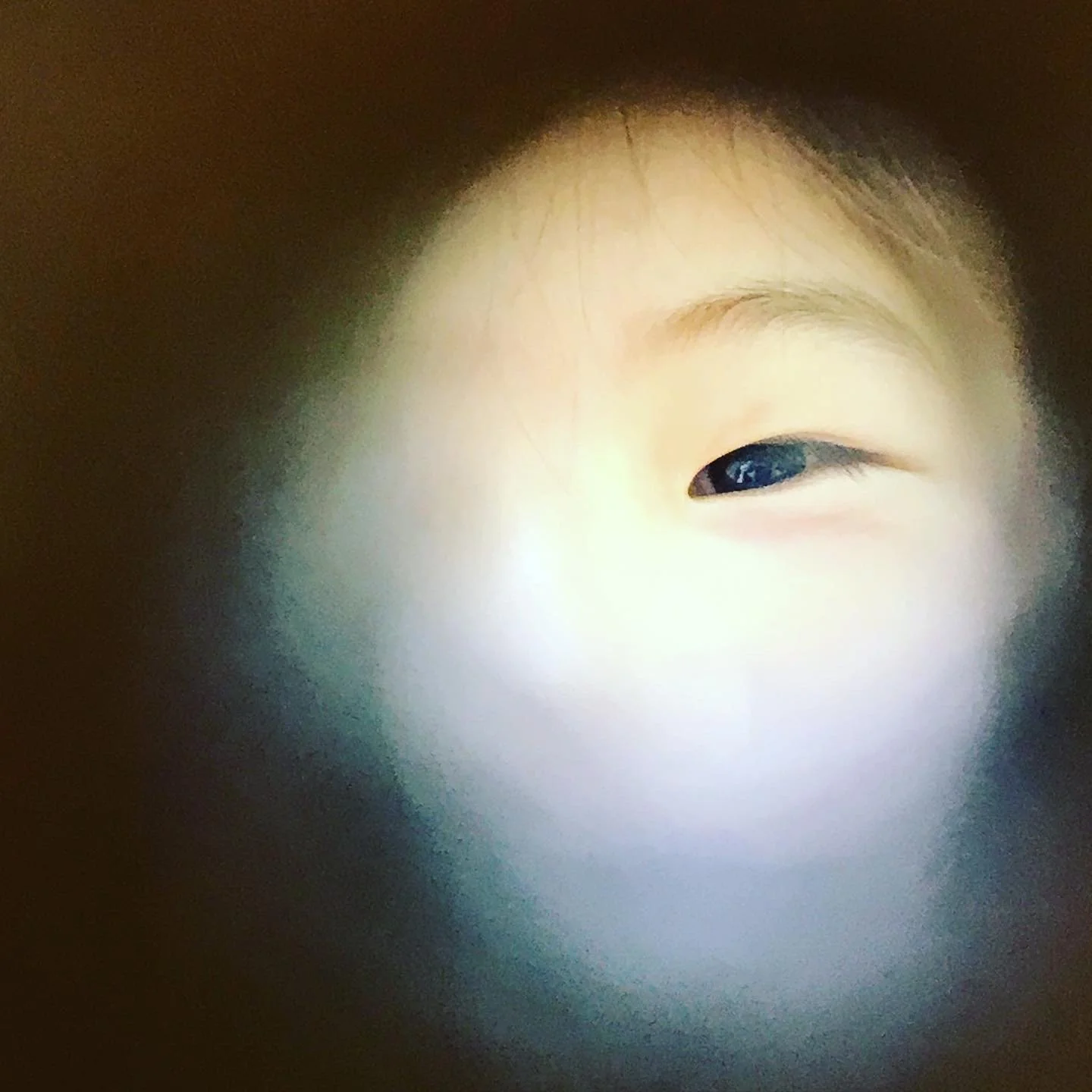
learning through the senses
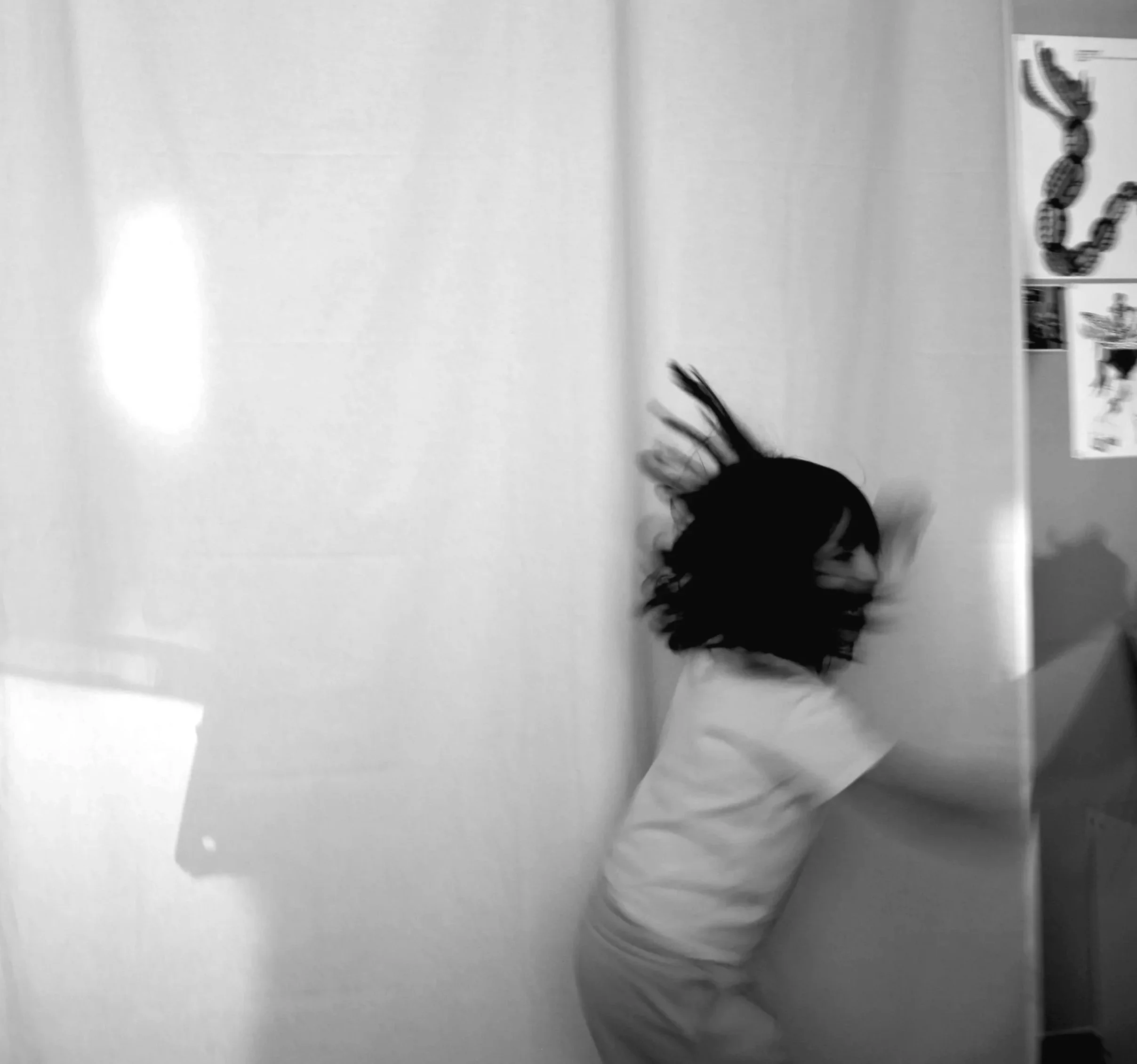
moving the body to move the mind
integrating abstract concepts and physical experiences
transferring and translating ideas
being actively and emotionally involved in research
combining multiple perspectives and ways of knowing
exploring and investigating the world and ourselves
interpreting details and patterns
engaging with uncertainty, contradiction and surprise
sharing ideas and building over-arching theories
using imagination, creativity and critical thinking
contributing to bodies of knowledge and culture
the image of the child / languages, literacies
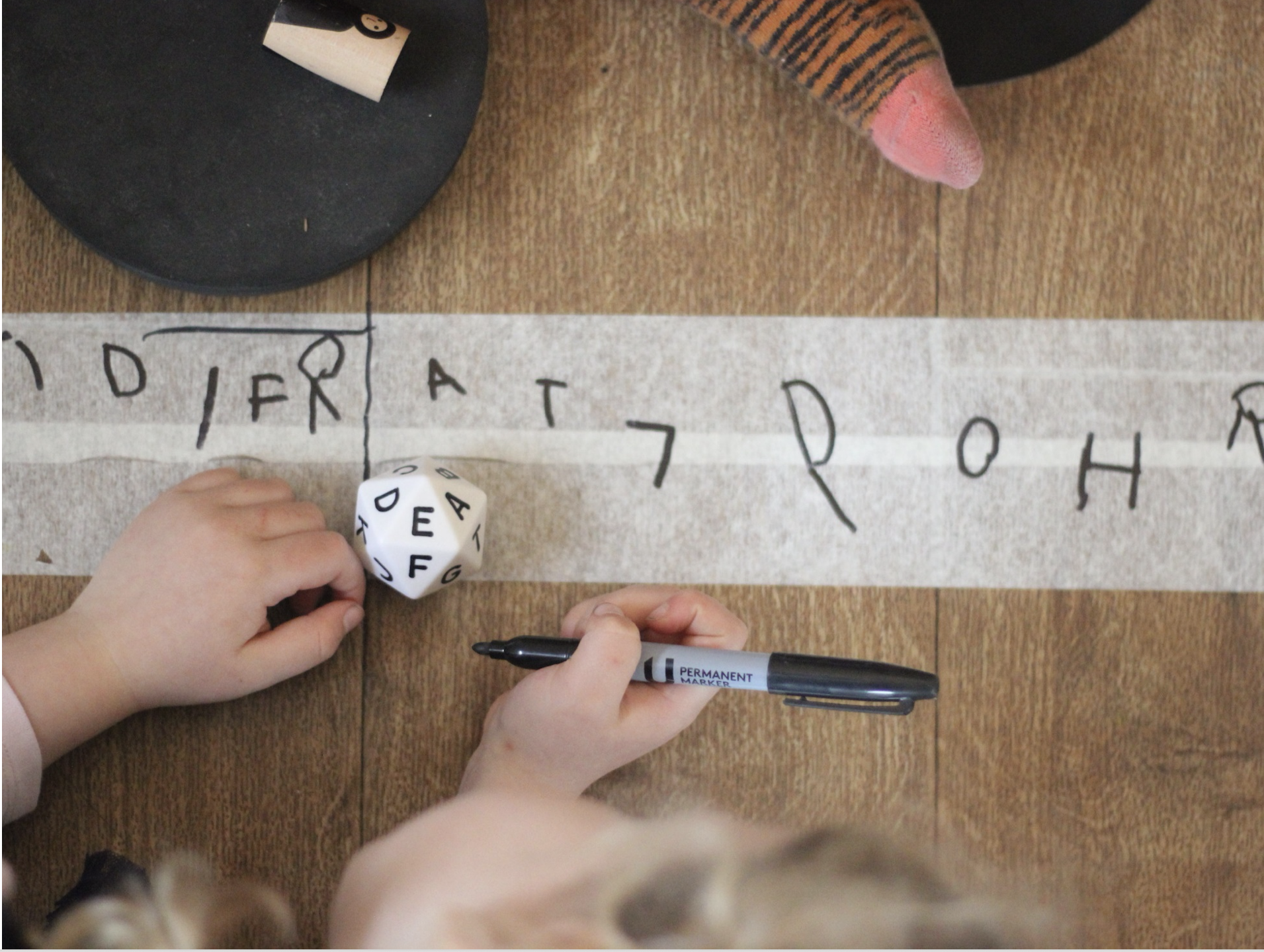
exploring and learning symbolic systems
connecting sounds, graphics and meanings
discovering multiple ways to communicate
hypothesising, explaining, investigating
translating and imagining words and numbers
becoming fluent
the image of the child / identity and belonging
discovering who we are and what we love
connecting and collaborating
daring to be different
being and belonging in many worlds
working with a collective purpose
expressing our ideas, knowledge and imagination
telling our stories